Zygomatic, pterygoid, and transnasal implants
When the upper jaw no longer has enough bone for a conventional implant, a longer fixture can be anchored in denser bone — the cheekbone, the pterygoid region, or along the side of the nose. Dr. Curtis or Dr. Samimi will say whether that, grafting, or a standard implant is the plan that matches your anatomy.
Overview
Dentists sometimes call these remote-anchorage implants. The fixture still replaces a root’s job, but it grips bone away from the old socket. That is a conversation for an upper jaw that has lost a great deal of bone — not the first idea for one missing tooth.
What the names refer to
- Zygomatic: the fixture is long enough to lock into the cheekbone because the upper jaw under the sinus cannot hold a standard implant
- Pterygoid: the fixture is aimed backward into dense bone behind the upper jaw, usually so the back of a full-arch bridge has support
- Transnasal: the fixture follows bone beside the nose when the scan shows that corridor is sturdier than the leftover ridge
A plan may use one of these, a combination, or these plus conventional implants in the same arch. A bone graft or a standard full-arch design can still be the simpler first step. Remote anchorage is discussed when a large graft is a poor fit or has already been tried.
Who it's for
This conversation is for adults with very little upper-jaw bone left — after years in a denture, after infection, or after a graft that did not give enough height — who still want implant support for a fixed or removable prosthesis.
- You were told conventional implants will not hold
- A large sinus or a collapsed ridge would leave a routine implant in thin bone
- You already have a remote-anchorage quote and want it reviewed
- You want grafting and remote anchorage explained before you choose
One missing tooth with enough local bone does not belong on this page. Start with dental implants.
What to expect
The consultation includes an exam and the imaging needed to trace where each implant would go. If remote anchorage is on the table, planning takes longer than a single-tooth case. Dr. Curtis or Dr. Samimi will name the approach and why.
Surgery is completed in the office under IV sedation or in an operating room, based on your medical history and how extensive the surgery is. Your restorative dentist and the laboratory make the teeth after the implants are placed.
Recovery
The first days
Swelling and a soft diet are expected. Bruising on the cheek or under the eye can follow zygomatic surgery. A stuffy or pressured feeling in the sinus can follow a zygomatic or transnasal path. Use the implant aftercare page for gauze, ice on the day of surgery only, and the rinse that starts the next day. Do not blow your nose forcefully until the office tells you that restriction is lifted.
The weeks after
Checks are scheduled so the surgeons can look at the sites before your dentist moves ahead with the prosthesis. There is no single week-by-week calendar that fits every remote-anchorage plan. You will leave with instructions written for the surgery you had.
Call us if…
- Swelling is worse after day 3
- A temporary tooth breaks, or a fixture moves when it should be still
- Bleeding from the nose or the mouth does not slow
- You are still numb the morning after surgery
- You have a fever, a rash on an antibiotic, or trouble breathing
Read the aftercare instructions
Cost & insurance
What zygomatic or other remote-anchorage implants costs depends on the plan written at your visit. Dr. Chad M. Curtis or Dr. Soroush Samimi will tell you the surgical fee after they have examined you and looked at current imaging.
The things that usually change that fee:
- Whether grafting or a membrane is part of the same surgery
- The anesthesia plan — local anesthesia, IV sedation, or general anesthesia
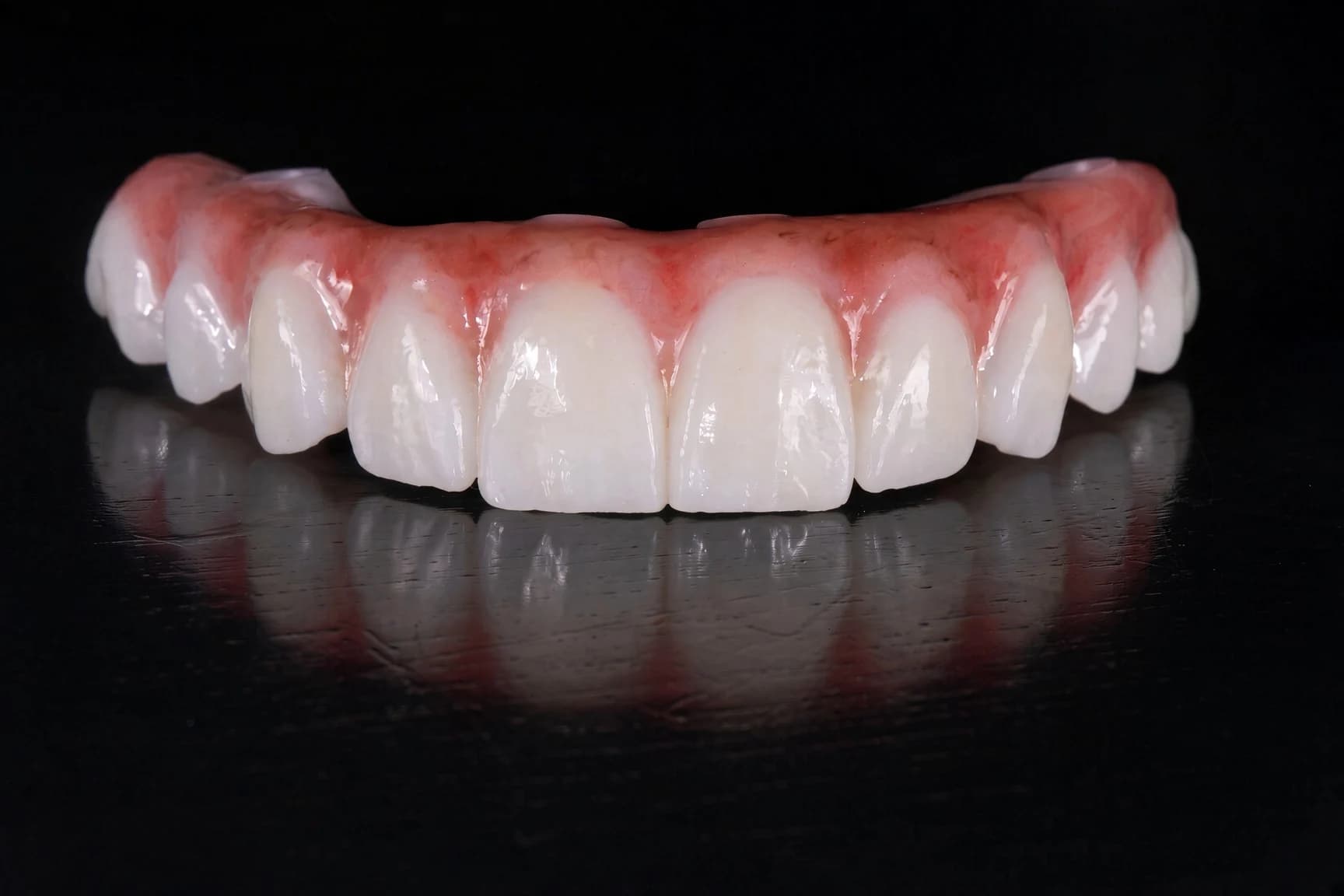
- The restoration your dentist builds afterward, such as a crown, a bridge, or a full arch
- Whether new imaging is needed before a plan can be written
This office takes most PPO dental plans. Call (561) 278-0004 after the consultation for an estimate of your portion. The tooth or teeth your dentist makes on top of the surgery are usually billed by that dental office.
FAQs
What is a zygomatic implant?
When are pterygoid or transnasal implants used?
Is this instead of a bone graft?
Where is the surgery done?
Who makes the teeth?
Can I bring another office’s plan?
Related care
- Dental implantsA titanium fixture in the jaw that your dentist later crowns or uses to steady a bridge or denture.
- Full-arch implantsA fixed upper or lower set of teeth held by four or more implants, planned with your dentist.
- Bone graftingAdds bone where an implant needs more support, or where a ridge has already flattened.
- Office in Delray Beach505 SE 6th Ave. Suite C
Delray Beach, FL 33483